In this article
- Aluminum Supply Chain 2026: Why This Cycle Is Different
- Why China Dominates, and Why That Has Limits in 2026
- How Supply Tightness Hits Upstream Materials
- What This Means for Industrial Procurement
- How Supply Chain Structure Affects Your Exposure
- What Industrial Buyers Should Do Now
- Conclusion
- FAQ: Aluminum Supply Chain 2026
- Why are aluminum prices elevated in 2026?
- How does aluminum market tightness affect buyers of silicon and magnesium?
- What is the difference between a direct producer and a trader in a tight market?
- How far in advance should industrial buyers plan Q4 procurement?
- Does AL-LINX supply materials other than silicon?
The aluminum supply chain in 2026 is not behaving like a normal commodity cycle. It is behaving like a structurally constrained market where demand drivers keep growing while supply hits physical and regulatory limits at the same time.
LME warehouse inventories have been sitting at their lowest levels since 2022. Strikes damaged two major production facilities in the Gulf. China’s production cap at 45 million tonnes is forcing smelters to restrain growth. Meanwhile, demand from electric vehicle manufacturers, power grid expansion, and data center construction continues to push upward.
This article breaks down what is driving the tightness in the aluminum supply chain in 2026, how it spills over into upstream materials like silicon metal and magnesium ingots, and what industrial buyers should do about it before Q4.
Aluminum Supply Chain 2026: Why This Cycle Is Different
Three forces are converging at once: low inventories, supply shocks in the Gulf and structural demand. Each one alone would be enough to tighten the market.
- Inventories: stocks registered on the London Metal Exchange have hovered at their lowest levels in years, leaving little buffer against disruptions.
- Supply shocks: strikes in early 2026 damaged production sites operated by Emirates Global Aluminium and Aluminium Bahrain, significantly reducing Gulf output.
- Structural demand: electric vehicles, grid modernization, and data center construction all consume aluminum at scale, and none of them are cyclical fads.
Morgan Stanley projects the global aluminum market will remain in deficit through 2026 before potentially shifting to surplus in 2027, with data center demand cited as a medium-term support factor.
Why China Dominates, and Why That Has Limits in 2026
China produces close to 60 percent of the world’s primary aluminum, according to International Aluminium Institute data. But China’s 45-million-tonne annual production cap is a long-term policy designed to control overcapacity and reduce deflationary pressure. Chinese smelters planning capacity expansions are now operating under that ceiling, with limited room to respond to demand spikes.
Outside China, elevated energy costs have suppressed new smelting investment across Europe and North America. Smelters are energy-intensive assets, and few regions can offer the stable, low-cost power that new capacity requires. The result: the aluminum supply chain in 2026 has very few pressure-release valves.
How Supply Tightness Hits Upstream Materials
Silicon metal and magnesium ingots are key inputs in aluminum alloy production. When aluminum demand is high and supply constrained, demand for these upstream materials also intensifies. Buyers of silicon and magnesium face similar dynamics: tighter availability and higher spot prices when production schedules are not planned in advance.
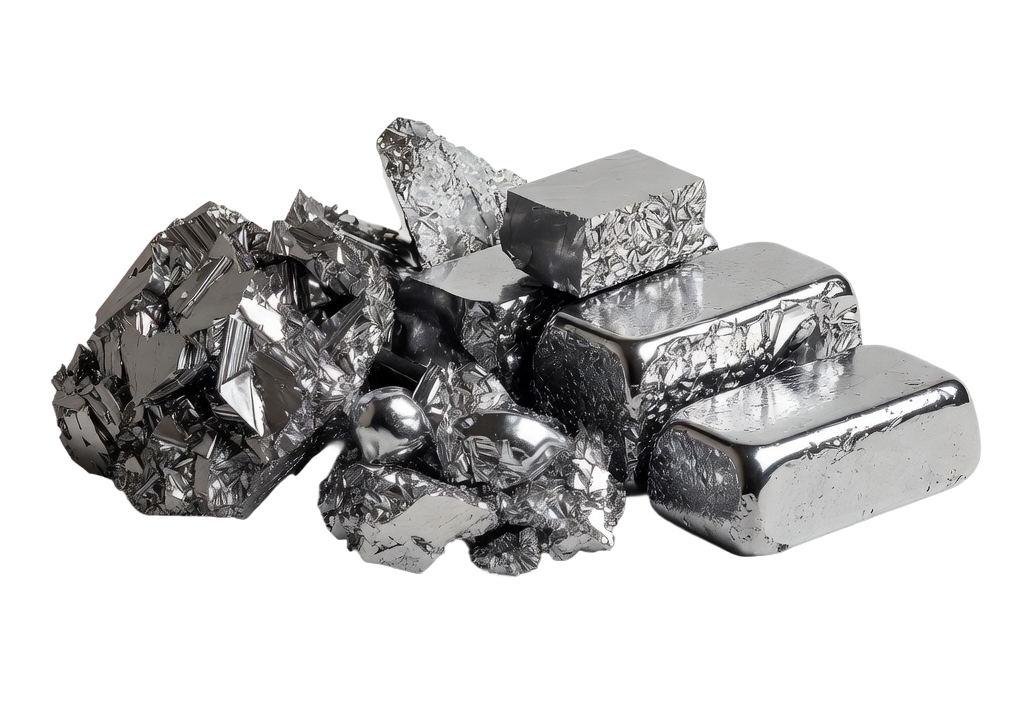
If you buy alloying materials rather than primary metal, the practical takeaway is the same: the pressure in the aluminum supply chain 2026 buyers are reading about in market reports arrives at your desk as longer lead times and firmer prices for silicon, cryolite, and magnesium. Our silicon metal grades guide (553, 441, 3303) explains which grade fits each application.
What This Means for Industrial Procurement
Spot buying in a tight market is expensive. When inventories are low and demand is firm, spot procurement carries a significant premium over contracted volumes.
Supplier reliability matters more than price. In a constrained market, switching costs are higher, lead times are longer, and alternatives are fewer. A supplier with direct factory access can maintain delivery commitments more reliably than one aggregating inventory from multiple intermediary sources.
The difference between a direct supplier and a trader is most visible when markets tighten: the direct supplier pulls from a committed production slot; the trader has to find material in the same constrained spot market everyone else is competing in.
How Supply Chain Structure Affects Your Exposure
Buyers who have established direct relationships with producers, confirmed delivery schedules, and full documentation on each lot are better insulated from spot market volatility.
For materials like silicon, cryolite, and magnesium ingots that feed directly into aluminum production, a disruption caused by a late or off-spec lot is not just a procurement problem. It is an operational problem with downstream consequences: casting schedules slip, alloy chemistry drifts, and customer commitments come under pressure.
At AL-LINX, we supply silicon metal, cryolite, magnesium ingots, ceramic blanket, and graphite components with direct factory access in Anyang and on-site teams that verify every lot before shipment.
What Industrial Buyers Should Do Now
Lock in volumes before Q4. Freight rates rise 30 to 60 percent during the pre-Christmas period. Confirm supply now, not in October.
Audit your supplier’s actual production access. Ask for the name and location of the production facility, the CoA from the last lot shipped, and the name of the testing laboratory. A supplier who hesitates on any of the three is aggregating, not producing.
Review your Incoterm structure. In a market with frequent logistics disruptions, who bears the risk in transit matters. Our comparison of CIF vs FOB for metallurgical imports walks through the trade-offs.
Conclusion
The aluminum supply chain in 2026 rewards preparation and penalizes reactive procurement. Industrial buyers with reliable, direct-access supply partners and planned procurement schedules are better positioned than those navigating the spot market reactively.
Planning volumes for the rest of the year? Contact the AL-LINX team to secure verified supply of silicon metal, magnesium ingots, and other metallurgical materials before the Q4 window closes.
FAQ: Aluminum Supply Chain 2026
Why are aluminum prices elevated in 2026?
China’s 45-million-tonne production cap, Gulf facility damage, energy-constrained smelting in Europe and North America, and rising demand from EVs, power grids, and data centers. LME inventories are at their lowest since 2022.
How does aluminum market tightness affect buyers of silicon and magnesium?
Both are key inputs in aluminum alloy production. Tighter aluminum markets intensify demand for upstream materials, raising spot prices for buyers without planned supply.
What is the difference between a direct producer and a trader in a tight market?
A direct producer has committed production capacity. A trader sources from the same constrained spot market as everyone else. In tight conditions, a direct supplier’s reliability is significantly higher.
How far in advance should industrial buyers plan Q4 procurement?
For materials from China with sea freight to Europe or Latin America, Q4 delivery requires orders confirmed by late August or early September. Freight rates rise 30 to 60 percent during the pre-Christmas period.
Does AL-LINX supply materials other than silicon?
Yes: cryolite, magnesium ingots, ceramic blanket insulation, and graphite shafts and rotors. All sourced directly from certified manufacturers with on-site quality control and full lot documentation.
Technical notes on aluminum and metallurgical materials, in your inbox
New Insights articles on melt treatment, alloys, sourcing and logistics. Unsubscribe anytime.