In this article
- Aluminum scrap imports tariff exemption Section 232: the arbitrage in numbers
- Where the scrap comes from: Canada and Mexico
- What the data do not show
- What the Mexico and US tariff talks change
- Price context: LME cash, stocks and alumina
- What this means for scrap buyers in Latin America
- What to do with this information
- FAQ: Aluminum Scrap Imports and the Section 232 Exemption
- How much aluminum scrap did the US import in the first half of 2026?
- How does the Section 232 scrap exemption work?
- Could a Mexico and US tariff deal change this?
- What should scrap buyers in Latin America check?
The United States imported 580,000 tonnes of aluminum scrap in the first half of 2026, according to Discovery Alert. That is an increase of 36.79% on the same period of 2025, when imports reached 424,000 tonnes. The driver is the aluminum scrap imports tariff exemption Section 232 carries. Scrap enters at 0% in three tariff lines, while covered primary aluminum pays 50% on its full customs value.
Canada supplied 369,000 tonnes, or 63.62% of the total. Mexico supplied 133,000 tonnes, or 22.93%, which makes it the second source. The shipments were worth roughly USD 2,070 million. This article explains the mechanism and lists what is still open for buyers who source scrap in Latin America.
One note on the sources. The scrap figures come from an aggregator and have not yet been checked against USGS or Census data. Therefore, read them as reported figures. All information is current to 7 October 2026.
Aluminum scrap imports tariff exemption Section 232: the arbitrage in numbers
The rule creates a gap between two tariff treatments. Covered primary aluminum pays 50% on the full customs value. Scrap pays 0% in three tariff lines. As a result, the same tonne of aluminum units crosses the border under very different duty burdens depending on its form.
For a US buyer, that gap changes the cost arithmetic. Secondary feedstock carries no Section 232 duty at entry, while covered primary carries a duty equal to half its customs value. Therefore, scrap has a structural cost advantage at the border before quality or yield enters the discussion.
However, scrap and primary are not interchangeable in every application. The exemption does not move every tonne. It moves the tonnes where a buyer can accept secondary material.
The volume trend fits the mechanism. Imports were 321,000 tonnes in the first half of 2024, 424,000 in the first half of 2025 and 580,000 in the first half of 2026. The data show the direction, but they do not prove causation on their own.
Where the scrap comes from: Canada and Mexico
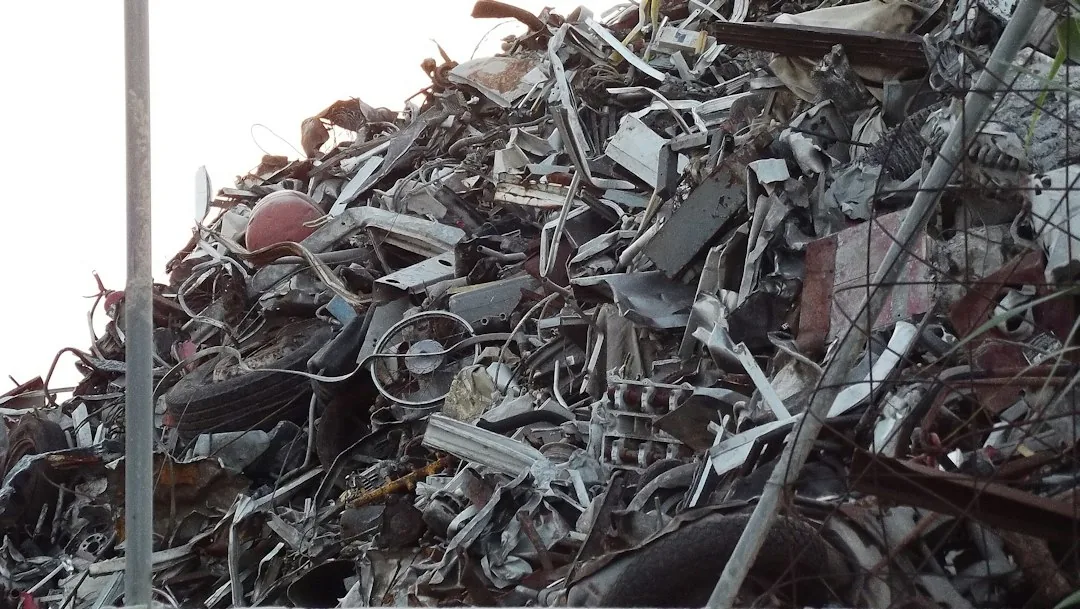
Canada leads by a wide margin, with 369,000 tonnes. Mexico follows with 133,000 tonnes. In addition, both countries share a land border with the US market, which keeps the physical flow simple.
For Mexico, the figure raises a question about domestic supply. Every tonne that goes north is a tonne that regional buyers cannot source locally. However, the research behind this article has no price data showing that this competition has already reached scrap prices in Mexico or elsewhere in Latin America. That comparison is still open.
What the data do not show
The report gives volumes by origin. It does not give the grade mix, the destination consumers or the price paid. For example, a rise in tonnes does not say whether the material was sorted scrap, mixed scrap or a specific alloy stream. Therefore, any claim about regional scarcity needs local price evidence first.
What the Mexico and US tariff talks change
The tariff picture for Mexican metal is not fixed. On 5 October, alCircle reported that Mexico is nearing a deal on lower US aluminum and steel tariffs. Foreign trade undersecretary Luis Rosendo Gutiérrez said that the talks have advanced.
The stated target is a 15% base rate for the automotive sector. The projected effective rate is 4% to 5% after deductions for regional content. Technical talks with USTR continue in October.
A second source confirms the process. Cadena Política reported on 30 September that Gutiérrez confirmed progress at G20 meetings in Milwaukee, alongside Marcelo Ebrard. The discounts depend on meeting regional content requirements.
There are two scenarios, and the evidence does not choose between them:
- No deal. The current gap between scrap at 0% and covered primary at 50% stays as described above.
- A deal closes. Lower rates on Mexican metal would change the differential between scrap and primary, and with it the destination of Mexican flows. Regional content and origin rules would weigh on how metal is traded.
The negotiation is open, not closed. The final terms may differ from the targets above.
Price context: LME cash, stocks and alumina
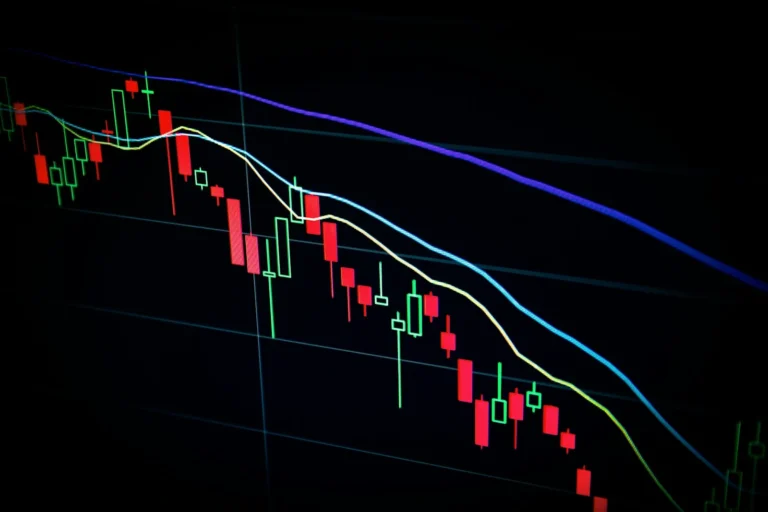
The scrap story sits inside a market with tight stocks. According to Discovery Alert, the LME cash price was USD 3,109 per tonne on 2 October. That followed a correction of about 2.6% between 30 September and 2 October.
Opening stocks stood at 240,625 tonnes. Of those, 13,700 tonnes were cancelled warrants, or 6%. The curve is nearly flat: contango runs from USD 11.75 to 12.5 per tonne between cash and three months. December 2027 trades about USD 37 per tonne below cash.
Alumina moved the other way. It reached USD 372.84 per tonne, up 5% over the same period. In addition, Shanghai Metals Market reported on 24 September that China turned to net alumina exports in August for the first time in 2026. It exported 425,000 tonnes and imported 349,500 tonnes, a net export of 75,500 tonnes.
This is context, not a signal. It describes where inputs and inventories stand today. It does not forecast where prices go next.
What this means for scrap buyers in Latin America
The exemption is a US rule. It acts on flows into the US, not on tariffs inside Latin America. Even so, it links Mexican scrap to US demand.
- Mexico is the second-largest source of US scrap imports, with 22.93% of the volume.
- Scrap enters the US at 0% in three tariff lines, so classification matters.
- Origin and documentation determine the rate that applies to each shipment.
- Talks on regional content could change the treatment of Mexican metal.
Therefore, a buyer in the region should separate three questions. First, what volume of scrap leaves the local market. Second, what price the local market actually shows. Third, what documents travel with each lot.
What to do with this information
Before the next negotiation, check the tariff line and the origin documents of the material on the table. Whether the aluminum scrap imports tariff exemption Section 232 grants reaches a given shipment depends on both. Also record the date of any tariff assumption in the contract file, because the Mexico and US talks may close within weeks.
Allinx supports this work from the supply side. The team quotes material delivered at destination, analyzes origin and the applicable tariff, and sources with the logistics capacity of BiiSmart Group, including its own operation in Shenzhen. No quotation promises a future price. It states the terms available on the day it is issued.
FAQ: Aluminum Scrap Imports and the Section 232 Exemption
How much aluminum scrap did the US import in the first half of 2026?
The United States imported 580,000 tonnes, according to Discovery Alert, an increase of 36.79% on the 424,000 tonnes of the same period of 2025. Canada supplied 369,000 tonnes, or 63.62% of the total, and Mexico 133,000 tonnes, or 22.93%. The figures come from an aggregator and have not yet been checked against USGS or Census data.
How does the Section 232 scrap exemption work?
Section 232 lets scrap enter at 0% in three tariff lines, while covered primary aluminum pays 50% on its full customs value. That gap gives scrap a structural cost advantage at the border before quality or yield enters the discussion, although scrap and primary are not interchangeable in every application.
Could a Mexico and US tariff deal change this?
It could, if a deal closes. On 5 October, alCircle reported that Mexico is nearing a deal on lower US aluminum and steel tariffs, with a 15% base rate for the automotive sector and a projected effective rate of 4% to 5% after regional content deductions. Lower rates on Mexican metal would change the differential between scrap and primary.
What should scrap buyers in Latin America check?
The tariff line and the origin documents of the material on the table, because whether the exemption reaches a given shipment depends on both. Also record the date of any tariff assumption in the contract file, because the Mexico and US talks may close within weeks.
Technical notes on aluminum and metallurgical materials, in your inbox
New Insights articles on melt treatment, alloys, sourcing and logistics. Unsubscribe anytime.