In this article
- What the aluminum price shows in October 2026
- Nickel sets the floor for stainless steel cost
- Aluminum vs stainless steel cost 2026: why the gap looks narrower
- Price per kilo is not cost per part
- Energy and supply keep a floor under aluminum
- The scenarios for the 2027 buying window
- How to run the comparison before your next order
On October 20, 2026, aluminum futures traded at $3,019.50 per tonne. That is 7.54% lower than a month earlier. However, it is still 8.57% higher than a year ago. On the same day, LME nickel cash traded at $15,350 per tonne. Nickel is the main alloy cost in 304 and 316 stainless steel. Therefore, any aluminum vs stainless steel cost 2026 comparison starts from a different spread than the one built into last year’s quotes.
Many purchasing teams used to answer the question “is aluminum cheaper than stainless steel” from memory. In 2026, the answer depends on the week, the origin and the part. This article explains the mechanism on each side of the comparison. It does not forecast where either price goes next.
For a technical comparison of properties, see our guide to aluminum vs stainless steel differences. Here the focus is market cost.
What the aluminum price shows in October 2026
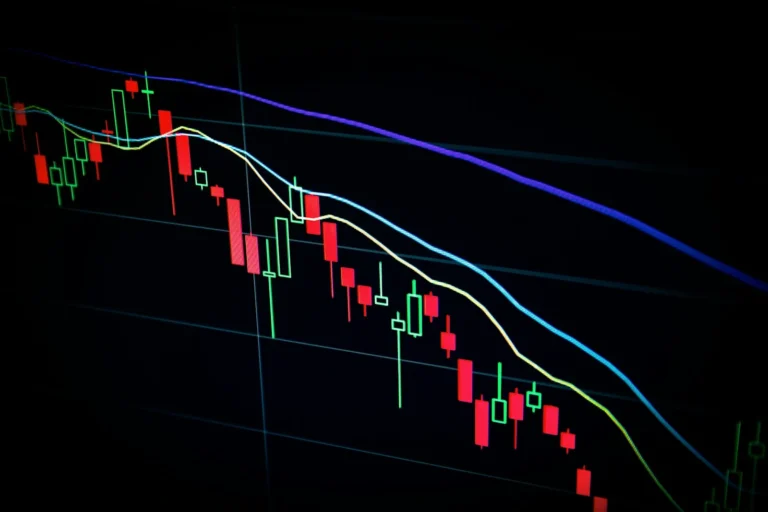
According to Trading Economics, aluminum futures in the UK “hovered above $3,000 per ton, remaining near multi-month lows”. The monthly drop is real. In contrast, the annual comparison points the other way. A buyer who benchmarks against 2025 reference prices is therefore using a base that no longer applies.
Supply explains part of the picture. China is offsetting lower supply from the Gulf with output close to record levels. Meanwhile, EGA expects to restore its full production by the first quarter of 2027. Until then, the market balances a shortfall in one region with higher volumes in another.
Nickel sets the floor for stainless steel cost
Grades 304 and 316 depend on nickel as their main alloying cost. As a result, the nickel price moves the stainless price more than any other single input. On October 20, LME warehouses held 280.9K mt of nickel, according to The Vault Report’s summary of official LME data.
In China, finished stainless looks soft. As of October 15, SunSirs reported 304 cold-rolled stainless (Hongwang brand) at 13,900 RMB per tonne in both Wuxi and Foshan. That was 100 RMB/t below the previous day. Social inventory of stainless steel stood at 1.157 million tonnes, down 2.71% week on week. High-grade ferronickel held steady at RMB 1,040 per nickel unit. SunSirs links the weak spot market to ample raw material supply and a lackluster peak season.
Aluminum vs stainless steel cost 2026: why the gap looks narrower
Put the two sides together. Aluminum is up year on year. Stainless steel, by contrast, follows a nickel market and a Chinese spot market that both look soft this week. Consequently, the price gap between the two materials is narrower than older quotes suggest.
However, this week’s public data does not support a clean per-kilo comparison. The aluminum reference is a futures price in dollars. The 304 reference is a Chinese spot price in yuan for a finished cold-rolled product. They sit at different points in the value chain. Comparing them directly would mislead anyone setting a budget.
Price per kilo is not cost per part
Even with matched data, stainless steel vs aluminum price per kg rarely settles the decision. Aluminum is much lighter than stainless steel for the same volume. A part may therefore need fewer kilograms of aluminum. On the other hand, it may need a thicker section or a different temper to carry the same load. That is why the question “is stainless steel stronger than aluminum” belongs in a cost analysis, not only in an engineering review.
Machining, finishing and scrap rates also change the final number. For example, temper choice affects how an extruded profile behaves on the machine. Our note on T5 and T6 aluminum tempers covers that trade-off.
Energy and supply keep a floor under aluminum
Primary aluminum carries an energy cost that stainless steel does not share in the same way. Brazil, Latin America’s largest alumina producer, illustrates the point. Norsk Hydro’s Alunorte refinery has 6.3 million mt per year of capacity. In August, it temporarily cut output to 50%. SMM puts the lost alumina at an estimated 100,000 to 120,000 mt.
The cause was gas. After supply failures at CELBA, Hydro bought gas at spot prices. SMM reports an estimated impact of US$75 to 100 million in the third quarter. It also cites a US$90 to 110 million cost impact in Q4 2026. For buyers in Latin America, this hits a regional supplier directly.
Outside Brazil, Rio Tinto’s third-quarter report adds to the same picture. Primary aluminum output was 842 kt, stable quarter on quarter and down 2% year on year. The final Arvida potlines closed in June 2026 as planned. In addition, Rio Tinto expects Yarwun production to drop by 40% in Q4 2026 due to tailings constraints. Taken together, these figures describe supply outside China that is not growing.
The scenarios for the 2027 buying window
Two forces pull in opposite directions on aluminum. On one side, Chinese output near record levels and EGA’s planned recovery add metal. On the other, energy costs in Brazil and flat output from a major Western producer limit it. Which force dominates is uncertain, and this article does not take a view.
For stainless steel, nickel remains the main variable. If raw material stays ample, the stainless side of the comparison stays soft. If nickel or Chinese demand changes, the gap moves again. In both cases, the answer to the aluminum vs stainless steel cost 2026 question has a short shelf life.
How to run the comparison before your next order
The useful output is not a rule. It is a method that holds up when prices move. Before negotiating, procurement teams can check four points:
- Same-week references. Price both materials from the same week, not from last year’s quotes.
- Cost per finished part. Include weight, section, machining, finishing and scrap, not only price per kilo.
- Base price versus landed cost. Separate the metal reference from regional premium, freight and duties.
- Origin and tariff. The two materials may come from different countries, so each one needs its own tariff check.
Allinx supports that work with quotes for material delivered to destination, analysis of origin and applicable tariffs, and sourcing backed by BiiSmart Group’s own logistics, including its team in Shenzhen. We do not quote future prices. We quote what the material costs delivered, based on current conditions.
Technical notes on aluminum and metallurgical materials, in your inbox
New Insights articles on melt treatment, alloys, sourcing and logistics. Unsubscribe anytime.