In this article
- What the Mexico aluminum antidumping duty covers
- Hollow profiles: two origins, and one surprise
- The exclusion list is the actionable part
- Why the metal market gives no cover
- What to check before the next order
- FAQ: Mexico Aluminum Antidumping Duty
- What is the Mexico aluminum antidumping duty in 2026?
- Which tariff lines does the duty cover?
- Which products are excluded?
- How can a buyer avoid paying the duty?
Mexico has made its aluminum extrusion duties final. The Mexico aluminum antidumping duty now applies to Chinese profiles and bars at 1.58 US dollars per kilogram, and to hollow profiles at 1.72 dollars from the United States and 1.93 from China. The Secretaría de Economía published both final resolutions in the Diario Oficial de la Federación on 4 September 2026. For anyone costing an order out of Asia, the duty is larger than most freight line items.
What the Mexico aluminum antidumping duty covers
The first resolution targets aluminum profiles and bars from China under five tariff lines: 7604.10.02, 7604.10.99, 7604.29.01, 7604.29.02 and 7604.29.99. Cuprum and Indalum filed the petition on 30 September 2024. The investigated period ran from 1 July 2023 to 30 June 2024, while the injury analysis went back to July 2021. The provisional duty was 1.55 dollars per kilogram, so the final number moved only slightly, to 1.58. GOMSA reports the duty in force from 5 September.
There is one way out, and it is documentary. A buyer who proves the country of origin is not China does not pay the duty. However, that proof runs on non-preferential rules of origin, not on the shipper’s address. In practice, therefore, supplier traceability becomes the most valuable document in the file.
Hollow profiles: two origins, and one surprise
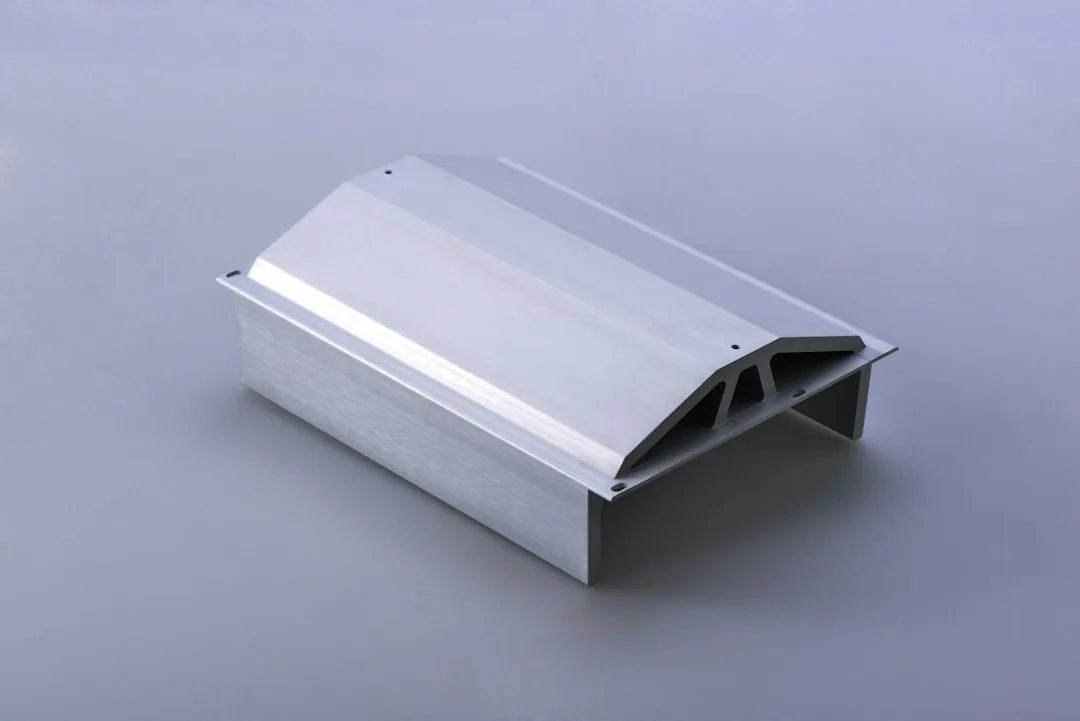
The second resolution covers hollow profiles, alloyed or not, finished or not, under line 7604.21.01. Provisional duties were 1.62 dollars per kilogram for the United States and 1.88 for China. The final numbers came in higher, at 1.72 and 1.93, and they apply regardless of the country of shipment. The authority also identified undervaluation of up to 33 percent.
The United States side is the part few buyers saw coming. This is the first time a US origin has been charged on extruded aluminum entering Mexico. For example, a purchasing team that diversified away from China in 2024 may now find both of its origins covered. One caution on dates: sources differ on when the hollow-profile duties took effect, with the AMCP flash citing 9 September and Blog Aduanero citing 5 September. Read the transitional article in the DOF resolution before you quote either one.
The exclusion list is the actionable part
Exclusions are granted by product characteristics, not by company. That distinction matters, because it means the technical sheet decides whether a shipment pays. The resolution excludes, among others, microchannel extrusions and tubes, MPE flat tubes, hollow profiles with zinc coverage, 3000 series profiles for automotive, air conditioning and refrigeration, hollow profiles for automotive use, and tempered 6000 series profiles in T5 and T6. So alloy, temper and declared end use are no longer a metallurgical detail. They are a customs position.
The scale behind the measure is visible in the trade data. Between July 2021 and June 2024, imports of the investigated product grew 41.9 percent, and their share of total imports went from 9.23 to 14.05 percent, according to figures cited from the resolution. The Secretaría de Economía concluded that the domestic industry faced deterioration.
Why the metal market gives no cover
The duty lands on top of an already tight physical market. Aluminum on the LME traded at 3,275 dollars per tonne on 16 September, up 0.69 percent on the day, with a four-week high of 3,348, according to Trading Economics. LME inventories remain close to a 36-year low. Gulf production, about 10 percent of the global total before the war, ran 44 percent below last year in July.
Chinese supply, meanwhile, keeps looking for a destination. China exported 626,000 tonnes of aluminum and aluminum products in August, down from 643,000 in July but well above the 534,000 of a year earlier. The January to August total reached 4.67 million tonnes, up 16.7 percent year on year. When one market closes a product line, that volume does not disappear. It moves to other markets and to products that are not covered, which is exactly what a customs authority watches next.
The arithmetic is worth doing in tonnes, because that is how the metal is quoted and the duty is not. A duty of 1.93 dollars per kilogram is 1,930 dollars per tonne. Against an LME price of 3,275 dollars, therefore, the charge on Chinese hollow profiles is close to 59 percent of the base metal value, before conversion, freight or the tariff itself. For profiles and bars at 1.58 dollars per kilogram the figure is 1,580 dollars per tonne. These are simple conversions of the published numbers, not a forecast, but they show why a percentage assumption carried over from another case will not hold here.
What to check before the next order
Four documents settle most of the exposure. First, the tariff line actually declared, because the five lines for profiles and bars and the single line for hollow profiles behave differently. Second, the mill certificate with alloy and temper, since that is what an exclusion is read against. Third, the origin evidence under non-preferential rules, not simply the port of loading. Fourth, the landed cost sheet rebuilt with the duty per kilogram, because a percentage assumption will understate it on light gauge material.
None of this is a view on where prices go, and it is not advice to buy, sell or hedge. It is a description of what changed in the Mexican tariff file this month. Allinx works on origin analysis and applicable duty, and on supply with the group’s own logistics. You can see what we handle in other materials, read the rest of our market notes, or send us the specification you are quoting and we will look at it with you.
FAQ: Mexico Aluminum Antidumping Duty
What is the Mexico aluminum antidumping duty in 2026?
The final duty is 1.58 US dollars per kilogram on Chinese aluminum profiles and bars, and 1.72 dollars from the United States and 1.93 from China on hollow profiles. The Secretaría de Economía published both final resolutions in the Diario Oficial de la Federación on 4 September 2026.
Which tariff lines does the duty cover?
The first resolution covers aluminum profiles and bars from China under five tariff lines: 7604.10.02, 7604.10.99, 7604.29.01, 7604.29.02 and 7604.29.99. The second covers hollow profiles, alloyed or not, finished or not, under line 7604.21.01, and applies regardless of the country of shipment.
Which products are excluded?
Exclusions are granted by product characteristics, not by company. The resolution excludes, among others, microchannel extrusions and tubes, MPE flat tubes, hollow profiles with zinc coverage, 3000 series profiles for automotive, air conditioning and refrigeration, hollow profiles for automotive use, and tempered 6000 series profiles in T5 and T6.
How can a buyer avoid paying the duty?
A buyer who proves the country of origin is not China does not pay the duty on Chinese profiles and bars. That proof runs on non-preferential rules of origin, not on the shipper’s address. In practice, supplier traceability becomes the most valuable document in the file.
Technical notes on aluminum and metallurgical materials, in your inbox
New Insights articles on melt treatment, alloys, sourcing and logistics. Unsubscribe anytime.