In this article
- What aluminium backwardation looks like on the LME this week
- Why prompt metal is scarce: LME aluminium stocks in 2026
- Spot vs forward price: what the curve changes for a buyer
- Which LME reference your contract uses
- What the curve does not tell you
- Rotterdam premium up, Chinese buying slows
- New primary supply in North America remains stalled
- What to check before the next aluminium order
On 30 October, LME cash aluminium closed at $3,113.50/t, $35.50/t above the three-month price of $3,078/t, according to Discovery Alert. That gap is aluminium backwardation: metal for immediate delivery costs more than metal for delivery in three months. A week earlier the curve looked very different. Between 19 and 23 October, the cash to three-month spread moved from $3/t to $27.50/t.
The move came while the headline price fell. The global benchmark dropped to $3,043.65/t on 26 October, 6.4% lower in a month, according to Trading Economics data cited by Crux Investor. In other words, the price level and the shape of the curve are sending different signals. For a procurement team, the shape matters as much as the level, because it changes what the same tonne costs depending on when it ships.
This article covers the mechanism behind the spread, what it changes for a buyer weighing spot against forward pricing, and which regional signals point the other way. It does not forecast where the spread goes next.
What aluminium backwardation looks like on the LME this week
In a normal market, forward metal trades above cash. The difference covers storage, insurance and financing until delivery, and that structure is called contango. Backwardation inverts it. The market pays a premium for metal that is available now.
The inversion this time runs well past three months. On 30 October, cash also stood $126.50/t above the December 2027 contract, which closed at $2,987/t. Two days earlier, session data from AL Circle showed the same pattern: a cash bid of $3,100/t, up 0.73%, against a three-month bid of $3,083.50/t.
| Date | Cash (US$/t) | Three-month (US$/t) | Cash over three-month (US$/t) |
|---|---|---|---|
| 28 Oct 2026 (bids) | 3,100.00 | 3,083.50 | 16.50 |
| 30 Oct 2026 (close) | 3,113.50 | 3,078.00 | 35.50 |
Why prompt metal is scarce: LME aluminium stocks in 2026
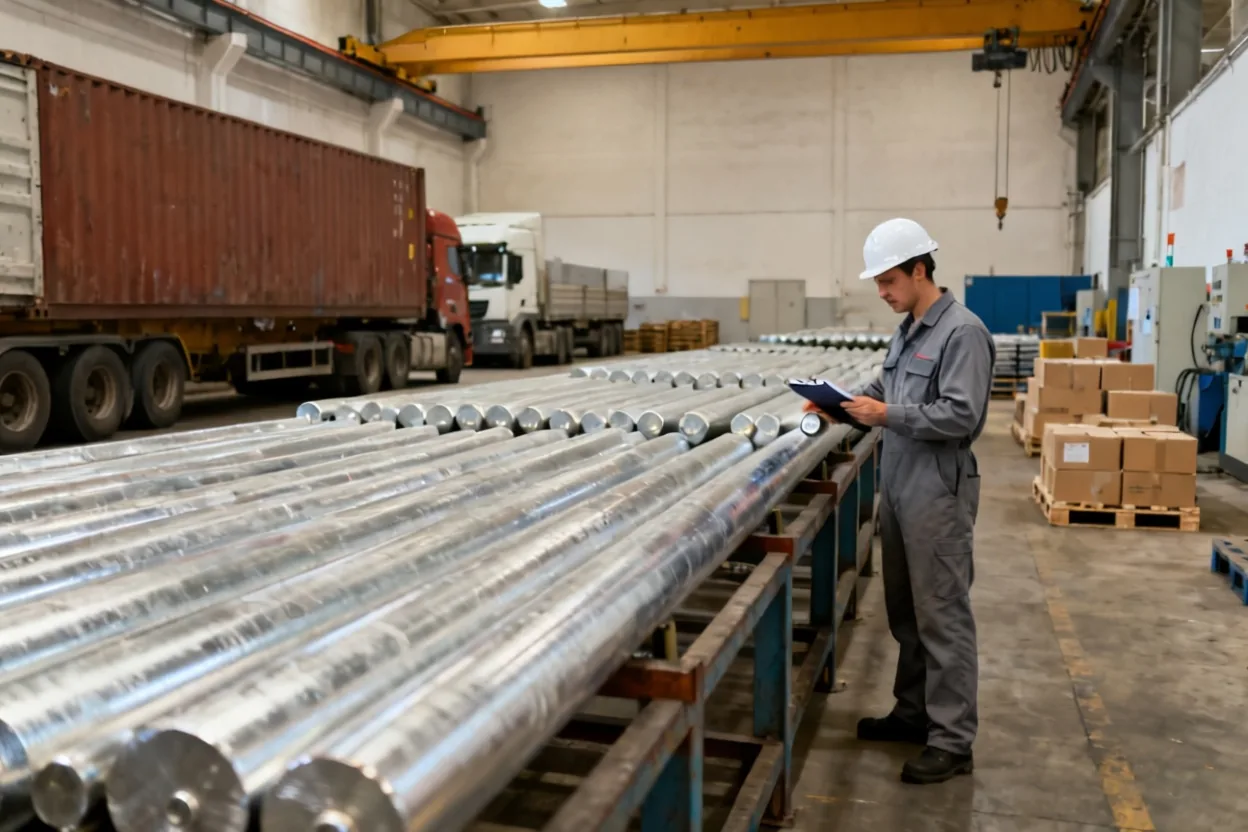
The short answer is inventory. LME stocks fell 54% this year, from 509,250 t on 2 January to 234,050 t on 26 October, according to LME data cited by Crux Investor. By the opening of 28 October, stocks stood at 232,100 t. Cancelled warrants totalled 14,450 t on the same day.
Cancelled warrants matter here. They mark metal that its owners have flagged for withdrawal from LME warehouses. Therefore, the tonnage readily available to the market is smaller than the headline stock figure. When fewer tonnes sit on warrant, a trader who needs metal now has to pay up for it. The cash contract absorbs that pressure first.
Raw material costs add a second layer. Platts alumina rose 2.13% to $393.20/t in the 28 October session. Alumina rising faster than aluminium squeezes smelters that buy it on the open market. However, that effect lands on producer margins before it reaches the spread.
Spot vs forward price: what the curve changes for a buyer
Aluminium backwardation changes the cost of timing. On 30 October, a tonne priced off LME cash cost $35.50 more than a tonne priced off the three-month contract. That difference scales with tonnage and adds directly to the landed cost.
Which LME reference your contract uses
A physical contract can reference LME cash, the three-month price, or a monthly average. Each one reacts differently to the curve. A cash reference captures the full premium for prompt metal. A three-month reference sits lower on the curve while the inversion lasts. A monthly average spreads the effect across the sessions of the month, so a sharp move over a few days weighs less.
What the curve does not tell you
Backwardation describes current tightness. It is not a forecast. The spread can narrow if stocks rebuild or prompt demand eases. It can also hold or widen if withdrawals continue. Both scenarios remain open, and this week’s data does not settle the question. Therefore, the more useful question for a buyer is how exposed the next order is to the spread.
Rotterdam premium up, Chinese buying slows
Regional premiums sit on top of the LME price, and in Europe they moved with the curve. Fastmarkets assessed the Rotterdam duty-paid premium at $560-590/t on 27 October, up from $550-585/t the week before. For a European buyer, the premium and the cash spread now stack on each other.
Trade flows are shifting as well. Canadian aluminium shipments to Europe rose 77% year on year through August, according to the Wall Street Journal as cited by Crux Investor. Meanwhile, the 50% US tariff keeps pushing Canadian metal toward other markets. So far, more metal arriving in Europe has not stopped the Rotterdam premium from rising.
China shows the opposite picture. Weekly ingot outflows from Chinese warehouses fell to around 110,000 mt between 26 October and 1 November, the lowest level in almost a month. SMM attributes the drop to aluminium prices “fluctuating at highs” and a slowdown in downstream purchasing. In other words, the tightness on the LME does not reflect a global demand surge. On this week’s data, it looks regional and short term.
Extrusion feedstock follows its own cycle. Inventory of 6063 billet in China’s main consumption areas fell 7,000 mt, or 5.1%, to 131,000 mt on 2 November, according to SMM. The agency links the fall to reduced arrivals in South China and recovering downstream pick-up. The 6063 alloy is the base for extruded profiles in the tempers covered in our guide to T5 and T6 heat treatment. As a result, tighter billet can affect price and lead times for profiles bought into Latin America.
New primary supply in North America remains stalled
On the supply side, relief is not close. On 29 October, the Rules Committee of the Cherokee Nation Tribal Council voted unanimously against the proposed smelter in Inola, Oklahoma, a project of Emirates Global Aluminium and Century Aluminum. The plant represents $4 billion of investment and 750,000 mt/year of primary capacity, according to SMM, citing KJRH. The resolution still needs approval from the full Tribal Council.
For buyers in Mexico and Latin America who source within the region, the vote matters. It keeps one of the larger planned additions to North American primary capacity in doubt. If the project does not advance, the region stays without that new primary capacity, which removes one possible source of relief for premiums.
What to check before the next aluminium order
None of this points to a single right moment to buy. However, aluminium backwardation does change the questions worth asking a supplier. If the decision is still between materials, our comparison of aluminium and stainless steel covers the differences first. For aluminium itself, five points deserve a direct answer:
- Which LME reference sets the base price: cash, three-month, or a monthly average.
- Which regional premium applies, and for which delivery point. A Rotterdam duty-paid figure does not describe a delivered price in Mexico or Colombia.
- How the delivered cost breaks down into LME base, premium, freight, duties and local logistics.
- Which origin the metal comes from, and what tariff applies to that origin at destination.
- For extrusions, how the 6063 billet situation affects lead times.
Allinx quotes aluminium delivered to destination, analyses origin and the applicable tariff upfront, and sources through BiiSmart Group’s own logistics, including the group’s team in Shenzhen. That gives a buyer a clear view of each cost layer before placing the order. Allinx does not forecast prices: a quote shows today’s cost, layer by layer.
Technical notes on aluminum and metallurgical materials, in your inbox
New Insights articles on melt treatment, alloys, sourcing and logistics. Unsubscribe anytime.